Beyond Wireless Connectivity: How Aeromesh Is Building the Foundation for a Smarter, Safer World
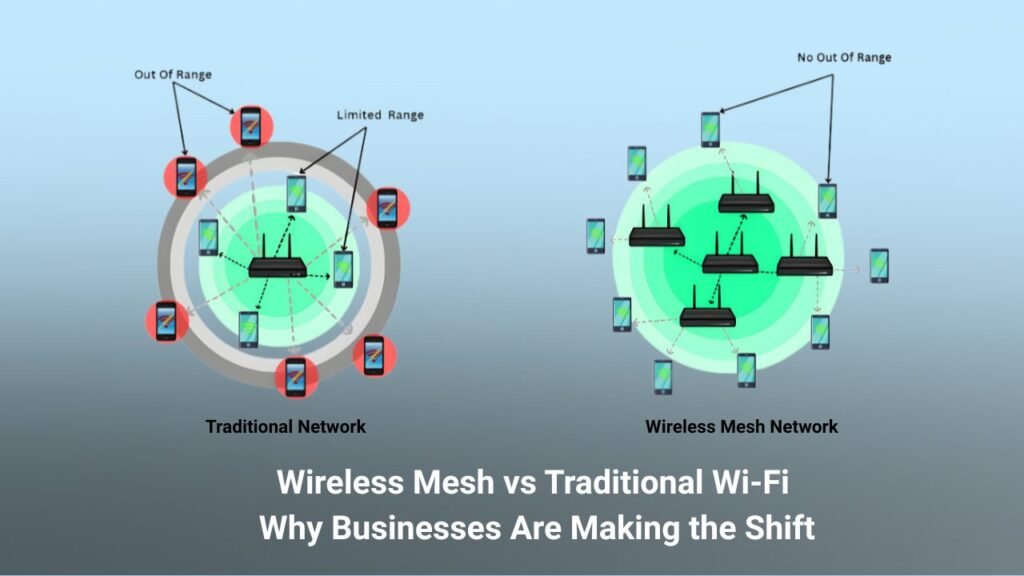
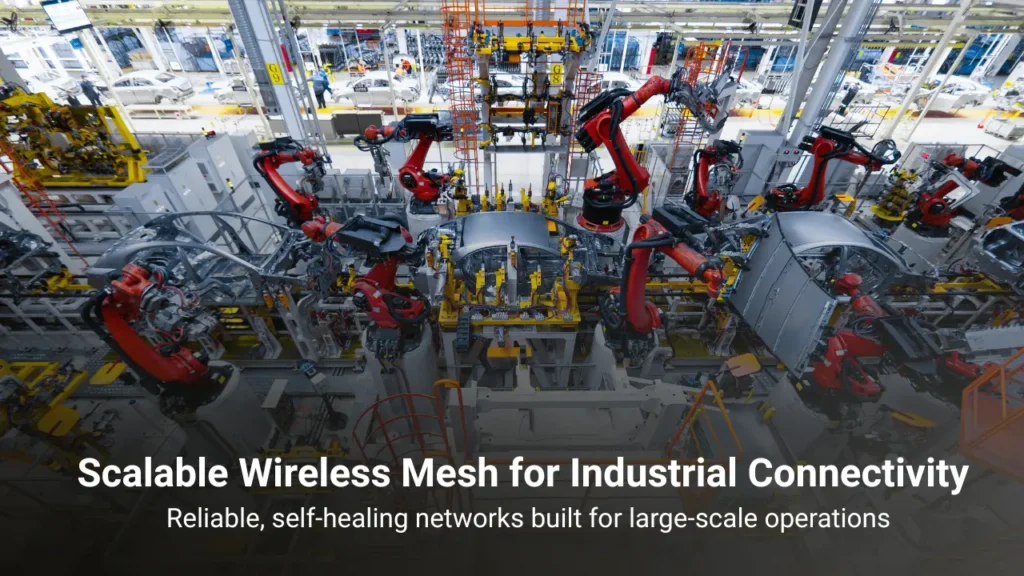
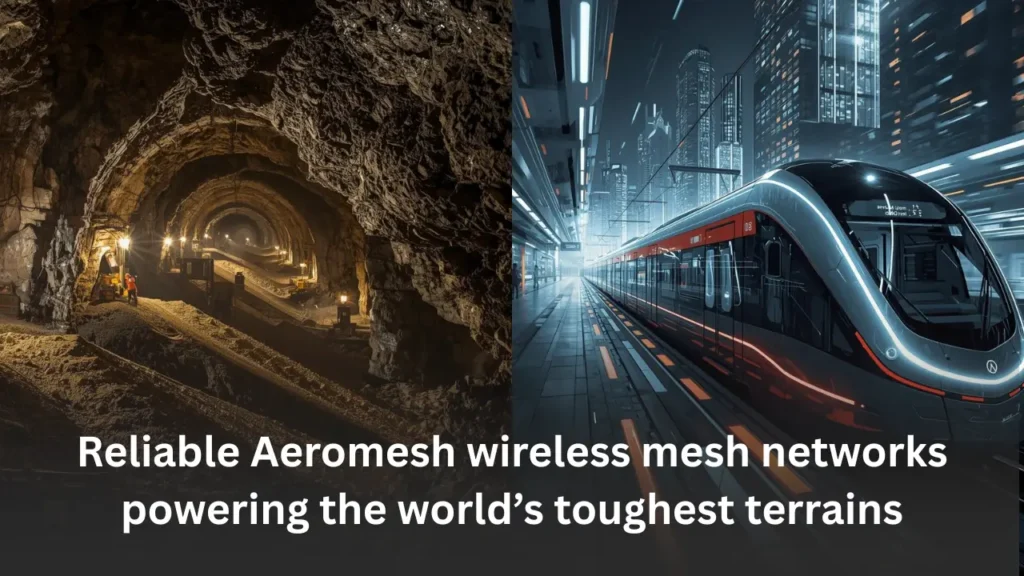
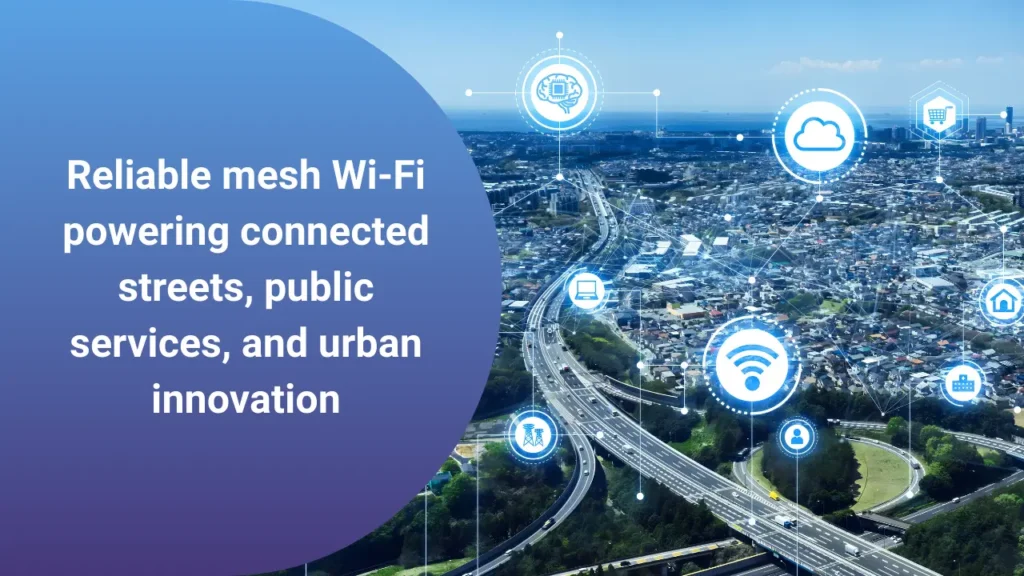
Introduction to the New Era of Wireless Connectivity Connectivity has become the invisible infrastructure that modern societies rely on. From city operations and transportation to public safety and industrial systems, the ability to transmit data reliably now determines how efficiently and safely environments function. Wireless connectivity is no longer a convenience. It is a critical requirement. Aeromesh is addressing this shift by building intelligent connectivity frameworks that go beyond traditional Wi-Fi. Through advanced wireless mesh network design, Aeromesh is enabling scalable, secure, and resilient communication systems that support a smarter and safer world. Challenges With Traditional Wireless Network Architectures Dependency on Centralized Network Design Traditional wireless networks depend heavily on centralized access points and fixed backhaul links. When one component fails, connectivity across large areas can be disrupted. This design creates operational risk, especially in environments where continuous communication is essential. Limited Flexibility and Network Expansion Expanding traditional networks often requires physical infrastructure changes, new cabling, and complex configuration. This makes it difficult to adapt networks to evolving requirements, growing device counts, and dynamic environments. Wireless Mesh Network as the Foundation of Modern Connectivity Understanding Wireless Mesh Network Architecture A wireless mesh network consists of interconnected nodes that communicate with each other rather than relying on a single central controller. Each node acts as both a transmitter and a relay, allowing data to find the most efficient path across the network. This architecture enables continuous connectivity even when individual nodes experience failure. Advantages of Wireless Mesh Network Deployments Wireless mesh networks offer: Self-healing communication paths Wide-area coverage without extensive cabling Improved network resilience Faster deployment and scalability These capabilities make wireless mesh networks ideal for mission-critical and large-scale deployments. How Aeromesh Delivers Intelligent Wireless Connectivity Self-Healing and Adaptive Network Performance Aeromesh wireless solutions are designed to automatically adapt to changing network conditions. When interference, congestion, or node failure occurs, the network dynamically reroutes traffic to maintain performance. This self-healing capability ensures uninterrupted communication without manual intervention. Optimized Data Routing for Real-Time Applications Aeromesh networks prioritize critical data flows such as video surveillance, sensor data, and operational commands. This ensures consistent performance for applications that require low latency and high reliability. Enhancing Public Safety Through Reliable Connectivity Connectivity Requirements for Public Safety Systems Public safety operations rely on continuous access to video feeds, sensor data, and communication systems. Any disruption can delay response times and increase risk during emergencies or large public events. Reliable wireless connectivity is essential to ensure that safety systems function without interruption. Supporting Surveillance and Emergency Communication Aeromesh wireless mesh network solutions enable stable transmission of high-definition video and real-time alerts across large areas. This allows authorities to monitor situations, respond faster, and maintain operational awareness during critical events. Enabling Smarter Cities and Connected Infrastructure Supporting Data-Driven Urban Operations Smart city initiatives depend on constant data exchange between devices, platforms, and decision-makers. Traffic systems, utilities, environmental sensors, and public services require reliable connectivity to operate efficiently. Aeromesh provides the connectivity layer that allows smart city systems to function cohesively. Scalable Connectivity for Growing Urban Environments Aeromesh wireless networks can be expanded by adding new nodes without redesigning the entire infrastructure. This scalability allows cities and organizations to grow their networks in alignment with future needs. Best Mesh Wi-Fi System Approach for Large-Scale Deployments Why Mesh Wi-Fi Is Better Suited for Complex Environments The best mesh Wi-Fi system is one that can deliver consistent performance across diverse and challenging environments. Mesh-based connectivity reduces dead zones, improves coverage, and maintains performance as the network grows. Aeromesh solutions are designed to operate in complex environments where traditional Wi-Fi systems struggle. Long-Term Value of Mesh-Based Wireless Networks By reducing downtime, simplifying expansion, and improving operational efficiency, mesh-based networks provide long-term value for organizations investing in future-ready infrastructure. Security-First Design in Aeromesh Wireless Solutions Built-In Network Security and Data Protection As networks expand, security becomes a critical concern. Aeromesh incorporates encryption, secure authentication, and access controls directly into the network architecture to protect data integrity. Secure Connectivity for Mission-Critical Operations Aeromesh wireless mesh networks are designed to support sensitive operations where data confidentiality and network reliability are equally important. Preparing Infrastructure for Automation and Future Technologies Connectivity Requirements for Automated Systems Automation, autonomous systems, and intelligent transportation rely on continuous, low-latency communication. Any delay or disruption can impact safety and efficiency. Aeromesh as the Connectivity Backbone for the Future By providing resilient, intelligent, and scalable wireless connectivity, Aeromesh is preparing infrastructure to support automation, analytics, and next-generation technologies. Conclusion: Building the Connectivity Layer for a Smarter, Safer World The future of infrastructure depends on networks that are intelligent, resilient, and secure. Aeromesh is building this foundation by delivering advanced wireless mesh network solutions that go beyond traditional connectivity. By enabling reliable communication for public safety, smart cities, and automated systems, Aeromesh is helping create a world that is not only more connected, but also safer and smarter. FAQ 01 What is a wireless mesh network? A wireless mesh network is a decentralized network where nodes communicate with each other, enabling data to travel through multiple paths and maintain connectivity during failures. 02 Why is wireless mesh better than traditional Wi-Fi? Wireless mesh networks eliminate single points of failure, offer better coverage, and scale more easily than traditional Wi-Fi systems. 03 Where can Aeromesh wireless solutions be deployed? Aeromesh solutions can be deployed in smart cities, transportation systems, industrial environments, and public safety operations. 04 Why is Aeromesh considered a best mesh Wi-Fi system solution? Aeromesh combines resilience, scalability, security, and intelligent network management, making it suitable for large-scale and mission-critical deployments.