From Complexity to Industry 4.0 Simplicity: How Aeromesh Designs User-Centric Wireless Networking Solutions
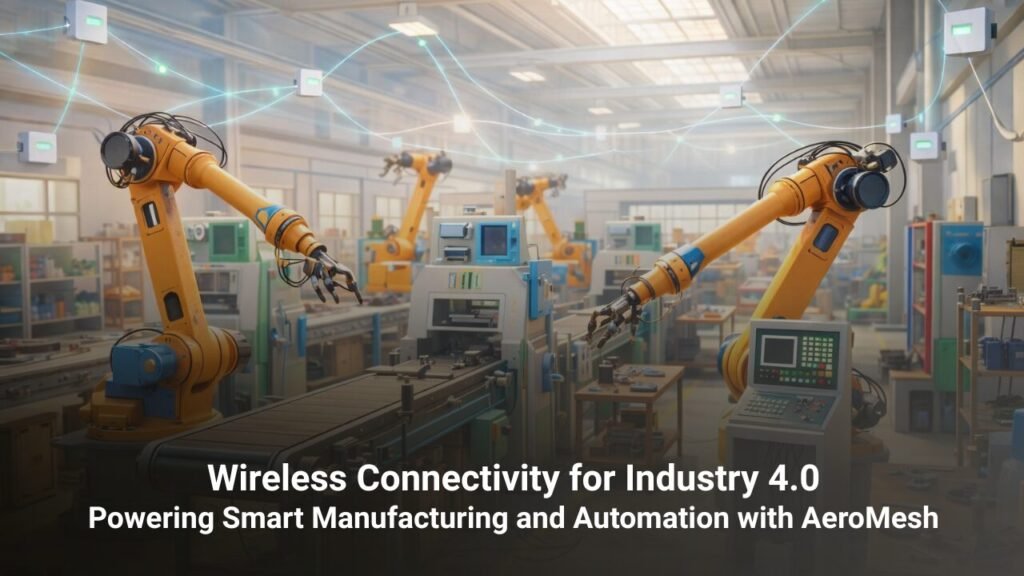
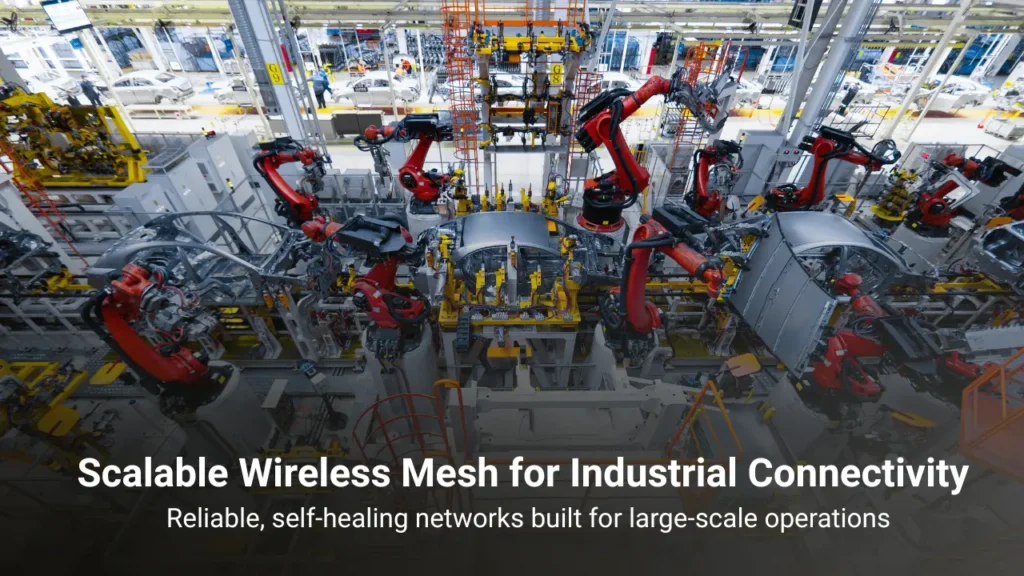
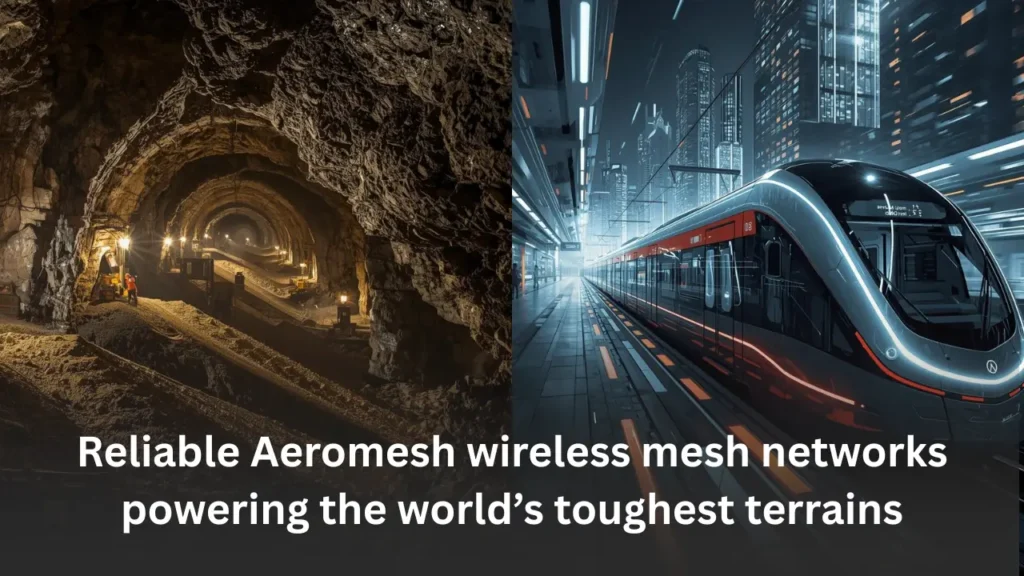
Introduction: Simplifying Industrial Connectivity in the Industry 4.0 Era Industrial digital transformation is accelerating, but connectivity remains one of the biggest bottlenecks. Factories, warehouses, ports, and utility sites demand always-on wireless networks that can support automation, real-time data, and mission-critical operations. Unfortunately, traditional enterprise WiFi deployments are often complex, fragile, and difficult to scale in harsh environments. This is where user-centric wireless mesh network design becomes essential. Aeromesh approaches industrial connectivity differently. Instead of forcing industrial users to adapt to IT-centric networking models, Aeromesh builds enterprise WiFi solutions for industrial environments that prioritize simplicity, reliability, and operational continuity. The result is a wireless mesh network that enables Industry 4.0 without adding operational complexity Why Traditional Industrial WiFi Fails in Industry 4.0 Use Cases Most industrial wireless failures stem from designs borrowed from office or campus networks. These models struggle in real-world industrial conditions due to: Frequent physical obstructions like machinery and metal structures Large outdoor and semi-outdoor areas Moving assets such as AGVs, forklifts, and cranes Limited on-site IT expertise High cost of downtime and network failures Traditional architectures rely heavily on manual planning, complex routing protocols, and constant tuning. As environments change, network performance degrades. Industry 4.0 requires a wireless mesh network that adapts automatically, not one that breaks when conditions shift. Aeromesh’s User-Centric Design Philosophy Aeromesh designs wireless systems from the perspective of the people who operate them – plant managers, OT teams, and system integrators – not just network engineers. The core principles include: Simplicity over configuration-heavy designs Reliability over theoretical throughput Self-healing behavior over manual intervention Operational visibility over black-box networking This user-centric approach ensures that industrial teams can deploy, manage, and scale wireless networks without becoming networking experts. Structured Wireless Mesh Network Architecture Unlike conventional mesh systems that rely solely on routing protocols, Aeromesh uses a structured wireless mesh network architecture. Key architectural advantages include: Predictable multi-hop performance Deterministic forwarding behavior Reduced latency even at scale Better stability in noisy RF environments This design allows Aeromesh networks to maintain consistent performance across large industrial sites, making them a strong contender for organizations seeking the best mesh WiFi for industrial operations. Simplified Deployment for Industrial Environments Deploying enterprise WiFi solutions for industrial environments should not require weeks of tuning and troubleshooting. Aeromesh simplifies deployment through: Pre-engineered node behavior Minimal configuration requirements Automatic path optimization Faster site rollout with fewer design iterations This enables system integrators and industrial teams to move from proof-of-concept to full-scale deployment much faster, reducing time-to-value for Industry 4.0 initiatives. h2 style=”font-size: 26px;”>High Reliability for Mission-Critical Operations Industry 4.0 applications like predictive maintenance, machine vision, safety systems, and real-time analytics depend on uninterrupted connectivity. Aeromesh wireless mesh networks deliver: Seamless failover when nodes or links fail Stable performance under interference Continuous connectivity for mobile assets High uptime even in harsh conditions This reliability-first design ensures that wireless infrastructure supports production, instead of becoming a risk factor. Designed for Industry 4.0 Use Cases Aeromesh solutions are purpose-built for modern industrial applications, including: Smart manufacturing and digital factories Industrial IoT sensor networks Autonomous vehicles and robotics SCADA and control system connectivity Large outdoor industrial campuses By aligning network behavior with operational workflows, Aeromesh enables Industry 4.0 systems to scale without increasing network complexity. Why Aeromesh Stands Out Among Wireless Mesh Network Solutions When comparing industrial wireless solutions, Aeromesh stands apart due to: User-centric design instead of IT-heavy complexity Structured mesh architecture for predictable performance Faster deployment and easier scaling Proven reliability in demanding industrial environments For organizations evaluating the best mesh WiFi options, Aeromesh offers a practical balance between performance, simplicity, and long-term operational stability. Conclusion: Enabling Industry 4.0 Through Simplicity Industry 4.0 is not just about automation and data – it is about creating systems that work reliably in the real world. Wireless connectivity should empower industrial teams, not overwhelm them with complexity. Aeromesh transforms industrial networking by delivering user-centric wireless mesh network solutions that simplify deployment, improve reliability, and scale effortlessly. By focusing on real operational needs, Aeromesh enables enterprises to move from connectivity challenges to Industry 4.0 simplicity with confidence. FAQs 01 What is a wireless mesh network in industrial environments? A wireless mesh network connects multiple access points that dynamically route data through multiple paths. In industrial environments, this ensures reliable connectivity even when physical conditions or layouts change. 02 Why are enterprise WiFi solutions for industrial environments different from office WiFi? Industrial environments face interference, harsh conditions, mobility, and uptime requirements that office WiFi cannot handle. Industrial solutions prioritize reliability, resilience, and predictable performance. 03 How does Aeromesh simplify wireless network deployment? Aeromesh uses a structured mesh architecture that reduces configuration complexity, enables faster deployment, and minimizes ongoing network tuning. 04 Is Aeromesh suitable for Industry 4.0 applications? Yes. Aeromesh is designed specifically to support Industry 4.0 use cases such as automation, IIoT, mobile assets, and real-time analytics. 05 How does Aeromesh compare to the best mesh WiFi solutions? Aeromesh focuses on industrial-grade reliability and user-centric simplicity, making it one of the most effective wireless mesh network solutions for mission-critical environments.