Introduction: Connectivity Challenges in Industrial Environments
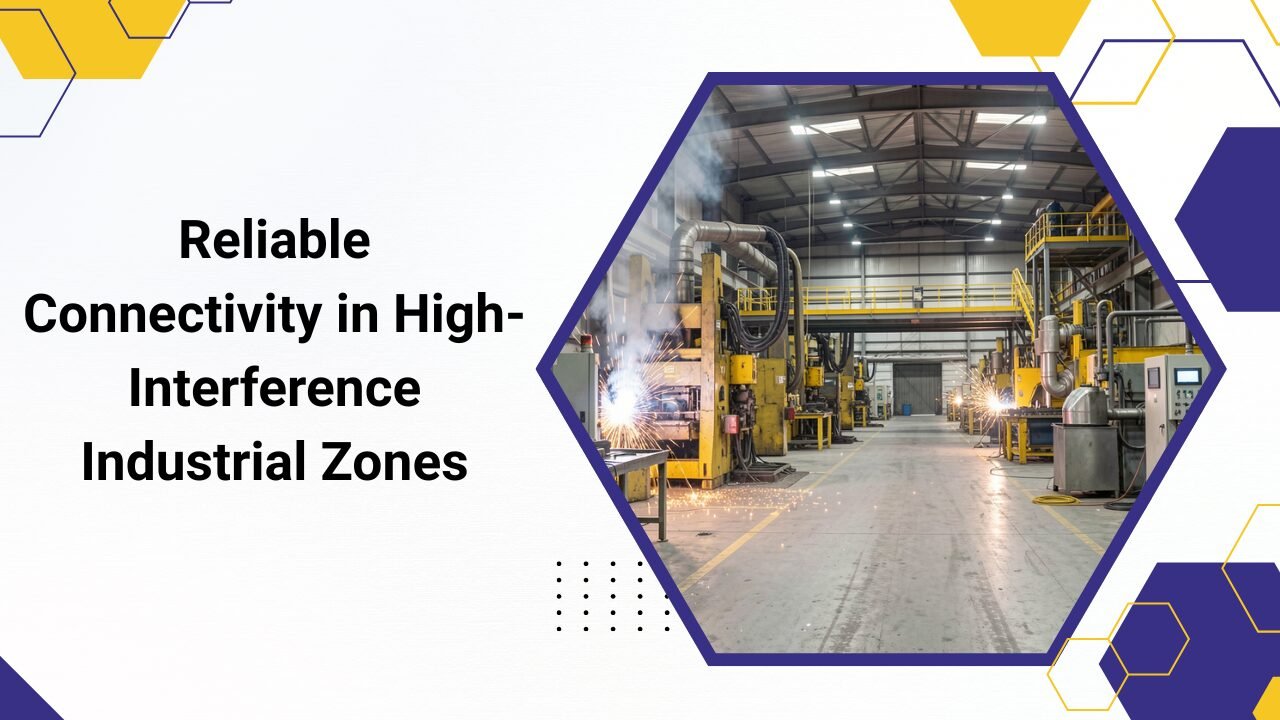
Industrial zones are some of the most challenging places for wireless connectivity. Heavy machinery, metal infrastructure, electromagnetic interference, moving equipment, and large open spaces can severely disrupt traditional Wi-Fi networks. In such environments, connectivity is not just about speed – it is about reliability, consistency, and uptime.
This is where a wireless mesh network becomes a practical solution. Unlike conventional Wi-Fi architectures, mesh Wi-Fi is designed to adapt, self-heal, and maintain performance even in high-interference industrial environments. This blog explores how mesh Wi-Fi improves reliability and why it is increasingly considered the best mesh Wi-Fi system approach for industrial deployments.
Understanding High-Interference Industrial Zones
What Causes Interference in Industrial Facilities?
Industrial interference is caused by a combination of physical and electromagnetic factors, including:
- Heavy electrical equipment such as motors, generators, and welding machines
- Dense metal structures that reflect or block signals
- Radio frequency noise from industrial sensors and control systems
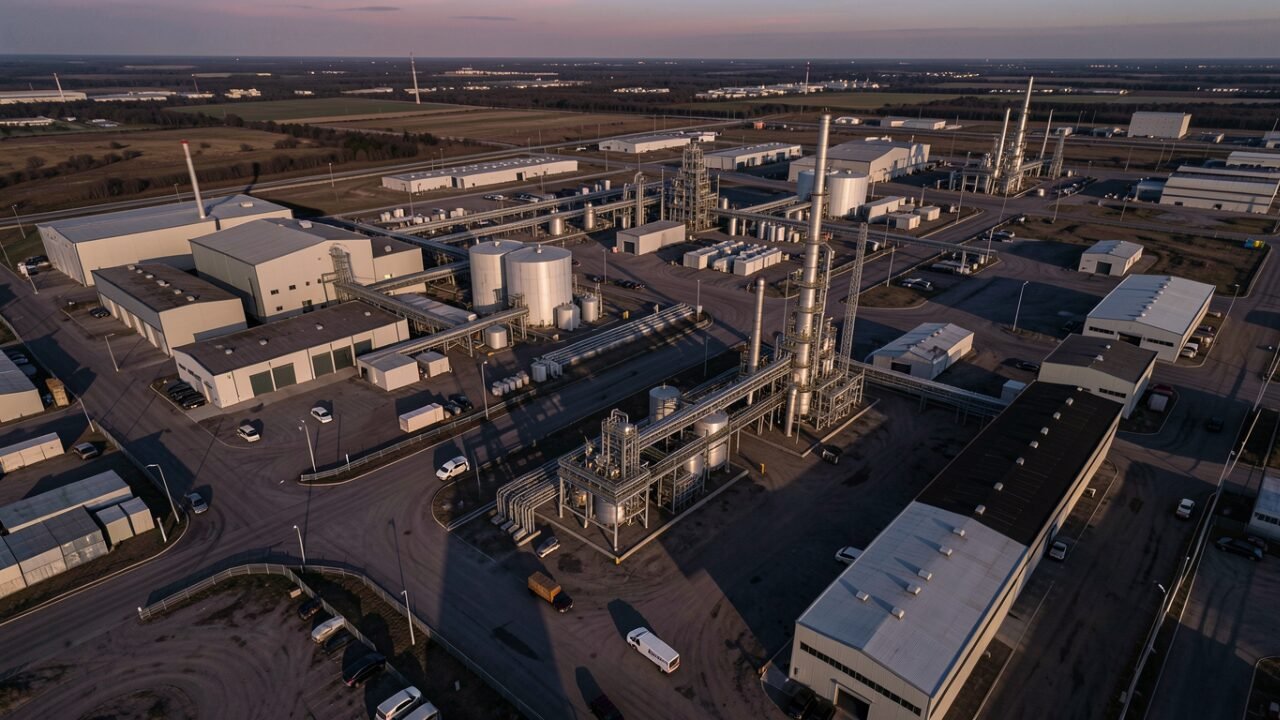
- Large-scale layouts with warehouses, yards, and production lines
These conditions can overwhelm traditional access point-based Wi-Fi networks, leading to dead zones, frequent disconnects, and unstable connections.
Why Traditional Wi-Fi Struggles
Conventional Wi-Fi relies on a centralized architecture. If an access point fails or experiences interference, devices connected to it lose connectivity. In industrial settings, this single-point dependency becomes a major risk to operations.
What Is a Wireless Mesh Network?
A wireless mesh network consists of multiple interconnected nodes that communicate with each other dynamically. Instead of relying on a single access point, each node relays data across the network, creating multiple possible paths for communication.
Key Characteristics of Mesh Wi-Fi
- Decentralized architecture
- Multiple redundant communication paths
- Dynamic routing of data
- Self-healing capabilities
These features make mesh Wi-Fi particularly effective in environments where interference and physical obstacles are unavoidable.
How Mesh Wi-Fi Improves Reliability in High-Interference Industrial Zones
Self-Healing Network Architecture
One of the biggest advantages of mesh Wi-Fi is its ability to self-heal. If one node experiences interference or fails, the network automatically reroutes traffic through another available node.
This ensures uninterrupted connectivity for critical industrial applications such as automation systems, safety monitoring, and asset tracking.
Multiple Data Paths Reduce Signal Loss
In high-interference environments, relying on a single communication path is risky. Mesh Wi-Fi creates multiple pathways for data transmission, significantly reducing packet loss and latency caused by interference.
This redundancy is a core reason why mesh deployments are often considered the best mesh Wi-Fi system for industrial reliability.
Better Coverage Across Large and Complex Areas
Industrial zones are rarely uniform. They include indoor facilities, outdoor yards, storage areas, and moving equipment. Mesh nodes can be placed strategically across these areas to maintain consistent coverage without requiring extensive cabling.
The network adapts in real time, maintaining signal strength even when environmental conditions change.
Mesh Wi-Fi vs Traditional Industrial Wi-Fi
Reliability Under Interference
Traditional Wi-Fi performance drops sharply when interference increases. Mesh Wi-Fi, on the other hand, is designed to operate in noisy environments by dynamically selecting the best available route for data.
Scalability Without Performance Loss
As industrial operations grow, adding more devices can overload traditional networks. Mesh Wi-Fi allows easy expansion by adding nodes, without redesigning the entire network or degrading performance.
Reduced Downtime and Maintenance
Because mesh networks are self-healing and decentralized, they require less manual intervention. This reduces downtime and lowers the operational burden on IT teams.
Industrial Use Cases Where Mesh Wi-Fi Excels
Manufacturing Plants
Mesh Wi-Fi ensures reliable connectivity for sensors, control systems, and production monitoring tools operating in electrically noisy environments.
Warehouses and Logistics Centers
Large spaces with moving inventory and equipment benefit from consistent coverage and seamless roaming provided by a wireless mesh network.
Oil, Gas, and Energy Facilities
Outdoor industrial sites with harsh conditions require resilient connectivity. Mesh Wi-Fi maintains communication across wide areas without relying on vulnerable wired infrastructure.
Key Factors to Consider When Choosing the Best Mesh Wi-Fi System
Interference Management Capabilities
Look for systems that support dynamic channel selection and adaptive routing to handle fluctuating interference levels.
Industrial-Grade Hardware
Industrial environments demand rugged devices designed to withstand dust, temperature variations, and vibration.
Network Visibility and Control
Advanced monitoring and analytics help identify interference sources and optimize performance over time.
Choosing the best mesh Wi-Fi system is not about maximum speed on paper – it is about consistent, reliable performance in real-world industrial conditions.
Conclusion: Why Mesh Wi-Fi Is Built for Industrial Reliability
High-interference industrial zones require more than traditional Wi-Fi can deliver. A wireless mesh network offers resilience, adaptability, and reliability where connectivity cannot afford to fail.
By leveraging self-healing architecture, multiple communication paths, and scalable deployment, mesh Wi-Fi ensures continuous operations even in the most challenging environments. For industries prioritizing uptime and performance, mesh Wi-Fi is no longer optional – it is essential.
FAQs
Mesh Wi-Fi uses multiple interconnected nodes and dynamic routing, allowing the network to bypass interference and maintain stable connectivity.
Yes. A wireless mesh network offers higher reliability, redundancy, and scalability compared to traditional centralized Wi-Fi architectures.
Mesh Wi-Fi is highly scalable and ideal for large, complex industrial zones including indoor and outdoor environments.
Interference can still exist, but mesh Wi-Fi minimizes its impact by automatically selecting alternative communication paths.
Focus on reliability, interference management, scalability, and industrial-grade hardware rather than just speed specifications.