Introduction
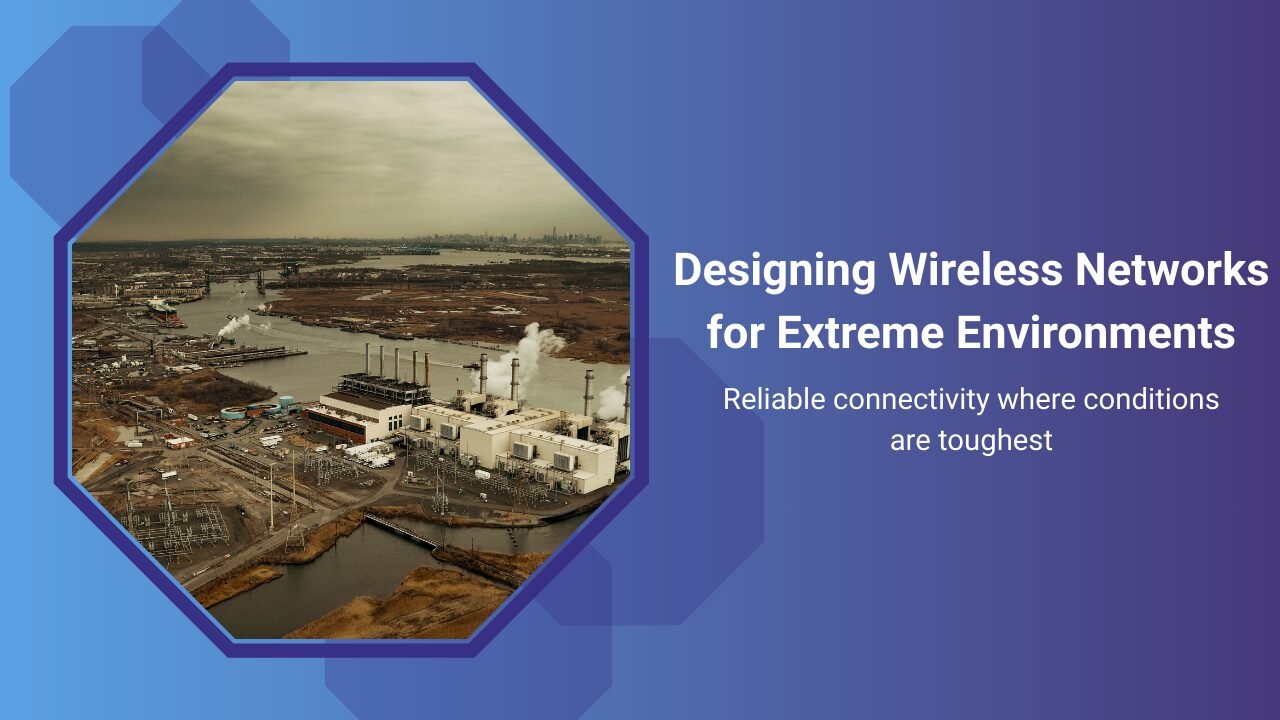
Designing wireless connectivity is never easy. But when the environment itself is hostile, the challenge multiplies. Extreme environments such as ports, mines, oil and gas facilities, deserts, mountainous regions, and industrial plants push wireless networks to their limits. Heat, dust, moisture, vibration, interference, and physical obstructions can disrupt connectivity and impact operations.
In such conditions, traditional wireless designs often fail. This is where thoughtful network planning and technologies like a wireless mesh network become critical. This blog explores the key challenges of deploying wireless networks in extreme environments and outlines proven best practices to ensure reliability, performance, and security.
Understanding Extreme Environments for Wireless Networks
What qualifies as an extreme environment?
Extreme environments are locations where physical or operational conditions negatively affect network performance. These may include:
- High temperatures or freezing climates
- Heavy dust, moisture, or salt exposure
- Constant movement of vehicles or machinery
- Limited access to power or wired backhaul
- High levels of radio frequency interference
Wireless networks in such settings must operate continuously, often supporting mission-critical applications.
Key Challenges in Designing Wireless Networks for Extreme Environments
1. Harsh physical conditions
Extreme heat can degrade radio components, while cold environments affect battery performance. Dust and moisture can damage access points and antennas if they are not properly sealed.
2. Network reliability and uptime
In industrial or remote locations, even a short network outage can halt operations. Wired infrastructure may be impractical or expensive, making wireless reliability essential.
3. Signal obstruction and interference
Metal structures, large machinery, containers, and uneven terrain block or reflect wireless signals. Interference from other wireless systems further reduces network quality.
4. Scalability and mobility requirements
Many extreme environments are dynamic. New equipment, vehicles, or sensors are added regularly. The network must scale without requiring a complete redesign.
5. Security risks
Remote and industrial wireless networks are often targets for unauthorized access. Limited physical security makes robust wireless protection even more important.
Why Wireless Mesh Network Architecture Works Best
What is a wireless mesh network?
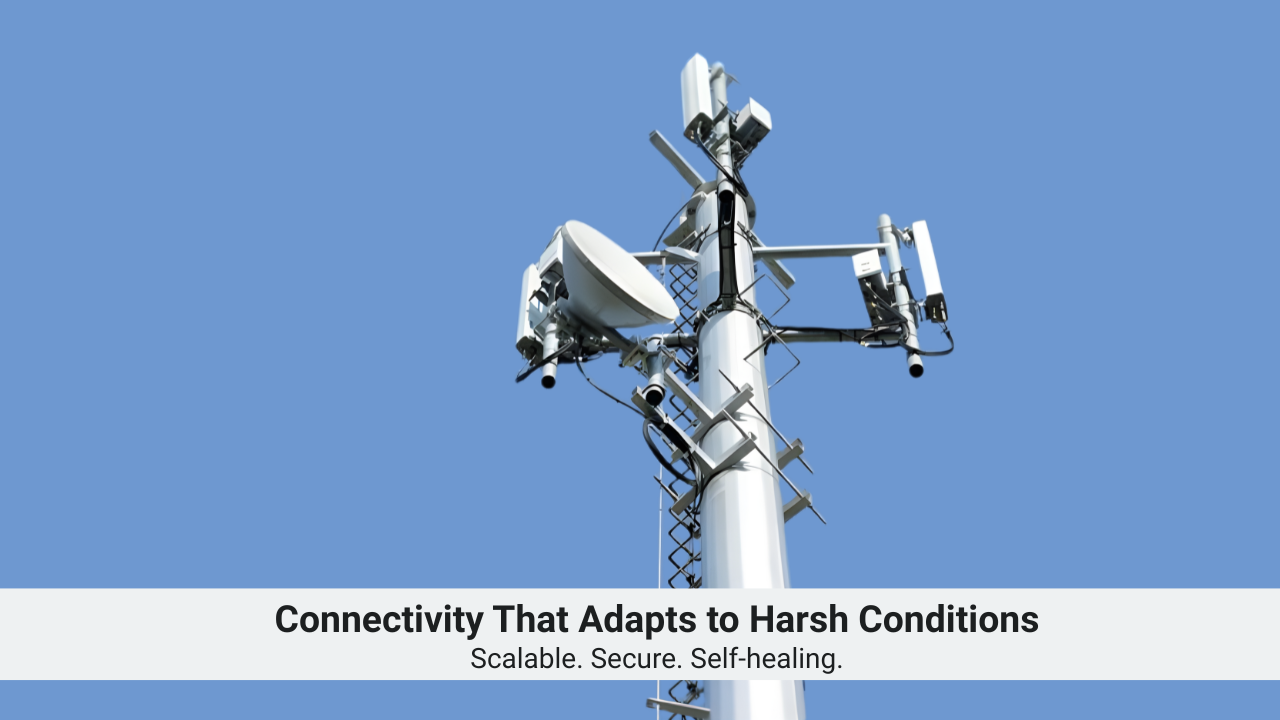
A wireless mesh network consists of interconnected nodes that communicate with each other dynamically. Each node can relay data, creating multiple paths for connectivity.
Advantages of wireless mesh networks in extreme environments
- Self-healing architecture ensures connectivity even if a node fails
- Minimal reliance on wired backhaul
- Easy expansion without complex reconfiguration
- Better coverage across large and obstructed areas
Because of these features, wireless mesh networks are widely used in ports, mining operations, industrial campuses, and outdoor facilities.
Best Practices for Designing Wireless Networks in Extreme Environments
1. Choose industrial-grade hardware
Use access points and radios designed specifically for harsh conditions. Look for:
- IP-rated enclosures
- Wide operating temperature ranges
- Vibration and corrosion resistance
This is a foundational step in building a resilient wireless network.
2. Design with redundancy in mind
Never rely on a single connection path. A wireless mesh network naturally provides redundancy, allowing traffic to reroute if a node or link fails.
Redundancy ensures consistent performance and minimizes downtime.
3. Perform detailed site surveys
Before deployment, analyze:
- Physical obstructions
- Interference sources
- Terrain and building materials
Site surveys help determine optimal node placement and antenna selection, improving overall network performance.
4. Optimize for mobility and roaming
In environments with moving assets such as vehicles, cranes, or robots, seamless roaming is critical. Network design should support fast handoffs and consistent signal strength across coverage areas.
5. Focus on network security from the start
Security should never be an afterthought. Best practices include:
- Strong authentication mechanisms
- Encrypted wireless communication
- Network segmentation for critical systems
These measures reduce the risk of breaches and unauthorized access.
6. Plan for scalability and future growth
Extreme environments often evolve. Choose a design that allows you to add new nodes, sensors, or applications without disrupting existing operations.
A scalable wireless mesh network supports long-term operational needs.
Selecting the Best Mesh Wi-Fi System for Extreme Environments
Not all mesh solutions are built for harsh conditions. The best mesh Wi-Fi system for extreme environments should offer:
- Industrial-grade durability
- Centralized network management
- High throughput and low latency
- Proven performance in outdoor and industrial deployments
Selecting the right system ensures the network remains reliable as operational demands grow.
Use Cases of Wireless Networks in Extreme Environments
Ports and logistics hubs
Wireless networks support container tracking, autonomous vehicles, and real-time communication across large areas with heavy metal obstructions.
Mining and oil and gas sites
Remote locations benefit from mesh networks that operate without extensive cabling and adapt to changing layouts.
Manufacturing and industrial plants
Reliable wireless connectivity enables automation, monitoring, and predictive maintenance.
Conclusion
Designing wireless networks for extreme environments requires more than standard deployment practices. Harsh conditions, interference, and operational demands make reliability and resilience non-negotiable.
By using a wireless mesh network, selecting the best mesh Wi-Fi system, and following proven design best practices, organizations can achieve secure, scalable, and high-performance connectivity even in the toughest conditions. A well-designed network becomes a critical enabler of safety, efficiency, and digital transformation.
FAQs
The biggest challenge is maintaining reliable connectivity despite harsh physical conditions, interference, and limited infrastructure.
A wireless mesh network offers redundancy, self-healing capabilities, and flexible deployment, making it ideal for unstable and large-scale environments.
High or low temperatures can damage hardware and reduce performance if equipment is not designed for industrial conditions.
Yes. Limited physical access and remote locations increase risk, making strong encryption and authentication essential.
Look for industrial-grade durability, scalability, centralized management, and proven performance in similar environments.